

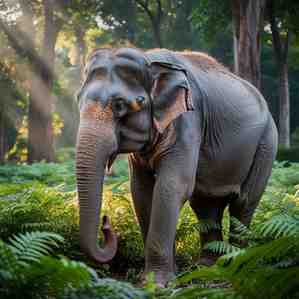
Elephas indicus is a historical scientific name commonly associated with the Indian elephant, now formally recognised as Elephas maximus indicus, a principal subspecies of the Asian elephant. As one of the largest land mammals in Asia, has played an important role in ecology, conservation, culture, religion, and scientific research for centuries. Today, conservation organisations, wildlife authorities, zoological institutions, and researchers continue to study and protect this remarkable species due to increasing environmental pressures and habitat fragmentation.
Understanding Elephas Indicus
The term Elephas indicus was historically used to describe elephants native to the Indian subcontinent. Modern taxonomy classifies these animals as Elephas maximus indicus, a subspecies of the Asian elephant. The Indian elephant is distributed across India, Nepal, Bhutan, Bangladesh, Myanmar, Thailand, Laos, Cambodia, Vietnam, and parts of Malaysia.
Scientific Classification
- Kingdom: Animalia
- Phylum: Chordata
- Class: Mammalia
- Order: Proboscidea
- Family: Elephantidae
- Genus: Elephas
- Species: Elephas maximus
- Subspecies: Elephas maximus indicus
The Indian elephant remains the most widespread subspecies of the Asian elephant and represents a significant proportion of the global wild Asian elephant population.
Physical Characteristics of Elephas Indicus
Elephas indicus possesses several distinguishing features that separate it from the African elephant species.
Size and Weight
Adult males can reach shoulder heights exceeding 3 meters and may weigh several tons. Females are generally smaller but remain among the largest terrestrial mammals in Asia.
Trunk Structure
The trunk serves multiple functions, including:
- Feeding
- Drinking
- Communication
- Social interaction
- Object manipulation
- Environmental sensing
Researchers have identified remarkable tactile sensitivity in the elephant trunk, making it one of the most sophisticated biological tools in the animal kingdom.
Skin and Appearance
Indian elephants typically display:
- Grey skicocolouration
- Smaller ears than African elephants
- A convex back profile
- A highly muscular trunk
- Strong column like legs
Male elephants often develop tusks, although tusk size varies significantly among populations.
Habitat and Distribution
Elephas indicus occupies a wide range of habitats throughout South and Southeast Asia.
Preferred Habitats
The species is commonly found in:
- Tropical evergreen forests
- Semi evergreen forests
- Moist deciduous forests
- Dry deciduous forests
- Grasslands
- Forest edge ecosystems
Their adaptability allows them to survive across varied environmental conditions, provided sufficient food, water, and migratory corridors remain available.
Geographic Range
Wild populations occur across mainland Asia and represent a critical component of regional biodiversity. Conservation landscapes often include protected national parks, wildlife sanctuaries, and transboundary ecosystems.
Diet and Feeding Behaviour
It is an herbivore with substantial daily nutritional requirements.
What Does Elephas Indicus Eat?
Typical food sources include:
- Grasses
- Leaves
- Bark
- Fruits
- Roots
- Shrubs
- Crops in some regions
An adult elephant may consume hundreds of pounds of vegetation daily while requiring regular access to water sources.
Ecological Importance
As mega herbivores, Indian elephants help:
- Disperse seeds
- Create forest clearings
- Maintain habitat diversity
- Influence vegetation patterns
- Support ecosystem regeneration
Their movements shape landscapes and benefit numerous other species.
Social Structure and Behaviour
It demonstrates highly developed social intelligence.
Family Groups
Female elephants and calves typically live in family units led by experienced matriarchs. These groups display strong social bonds and cooperative care of young individuals.
Communication
Indian elephants communicate using:
- Vocal calls
- Low frequency rumbles
- Body posture
- Touch
- Chemical signals
Their communication systems allow coordination across considerable distances.
Intelligence
Scientific studies consistently identify elephants among the world’s most intelligent animals. They demonstrate:
- Problem solving abilities
- Long term memory
- Emotional awareness
- Cooperative behavior
- Recognition of individuals
These characteristics contribute to ongoing research into elephant cognition and sociabehaviour.
Conservation Status
The Asian elephant, including Elephas maximus indicus, is classified as Endangered. Population declines have occurred due to multiple environmental pressures.
Major Threats
Key threats include:
- Habitat loss
- Habitat fragmentation
- Human elephant conflict
- Poaching
- Infrastructure expansion
- Agricultural encroachment
These challenges continue to affect elephant populations throughout their range.
Conservation Initiatives
Governments and conservation organisations have implemented programs focusing on:
- Protected habitat management
- Wildlife corridors
- Anti poaching enforcement
- Community engagement
- Scientific monitoring
India’s Project Elephant remains one of the most recognised conservation initiatives supporting long-term elephant protection.
Cultural and Historical Significance
It occupies a prominent place in Asian history and culture.
Religious Importance
In Hindu traditions, elephants are associated with the deity Ganesha, symbolising wisdom, prosperity, and good fortune. Across South and Southeast Asia, elephants appear in festivals, art, architecture, and folklore.
Historical Roles
Historically, Indian elephants were used for:
- Ceremonial events
- Transportation
- Forestry operations
- Royal processions
- Military campaigns
Their relationship with humans spans thousands of years.
FAQs
Is Elephas indicus the same as the Asian elephant?
Elephas indicus historically referred to the Indian elephant. Today, the accepted scientific classification is Elephas maximus indicus, a subspecies of the Asian elephant.
How large can an Indian elephant become?
Adult males can exceed 3 meters at the shoulder and weigh several tons, making them among the largest land animals in Asia.
Where do Indian elephants live?
They inhabit forests, grasslands, and protected ecosystems throughout South and Southeast Asia.
Why are Indian elephants endangered?
Habitat loss, fragmentation, human wildlife conflict, and poaching remain the primary factors contributing to population decline.
What do Indian elephants eat?
Their diet consists primarily of grasses, leaves, bark, fruits, roots, and other plant material.
Conclusion
Elephas indicus, now recognised as Elephas maximus indicus, remains one of Asia’s most iconic wildlife species. Its ecological importance, cultural significance, intelligence, and conservation value make it a subject of global interest. Continued habitat protection, responsible wildlife management, and public awareness are essential to ensuring future generations can observe and appreciate this extraordinary elephant in the wild. As conservation efforts expand across Asia, the survival of Elephas indicus will continue to depend upon effective collaboration between governments, scientists, conservation organisations, and local communities.









Leave a Reply