

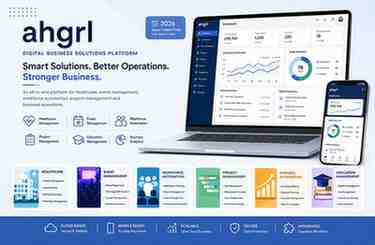
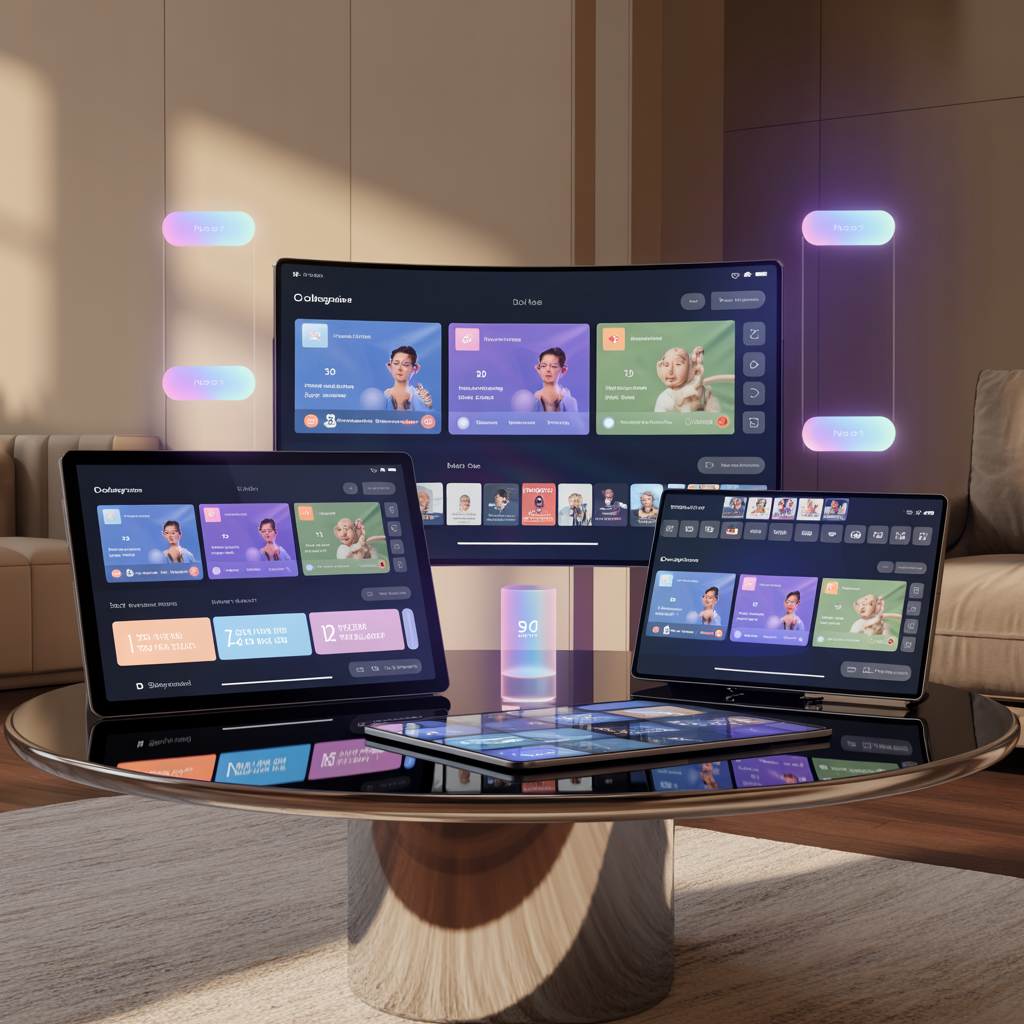
ahgrl is a search term increasingly associated with scalable digital solutions, business process automation, software integration, and operational management platforms. Organisations seeking practical ways to simplify administration, improve communication, and manage workflows are turning toward platforms that combine technology with everyday business requirements.
Businesses in retail, healthcare, education, events, project management, and workforce administration often require systems that centralise operations. Solutions developed around the ahgrl concept focus on creating connected ecosystems that help organisations reduce manual processes and improve visibility across departments.
Why Businesses Search for ahgrl Solutions
Companies are looking for software environments that allow them to:
- Manage operations from one platform.
- Improve customer engagement.
- Automate invoicing and reporting.
- Handle projects and tasks efficiently.
- Organise workforce management.
- Streamline event registration and attendance.
- Improve healthcare administration.
- Simplify educational processes.
- Integrate payment and notification systems.
- Scale operations without replacing existing infrastructure.
These requirements align with modern software ecosystems designed around flexibility and modular architecture.
Core Areas Supported by ahgrl Platforms
Event Management Systems
Organisations hosting conferences, seminars, exhibitions, or workshops require digital systems capable of handling:
- Online registration.
- Ticket management.
- QR check-in processes.
- Badge printing.
- Speaker administration.
- Reporting and analytics.
- Engagement tools.
Large summer events taking place across London during 2026 continue to demonstrate the importance of streamlined event operations. Visitors attending exhibitions near Kensington, Canary Wharf, and the South Bank benefit from transport access through the Underground, Elizabeth Line, and nearby parking facilities.
Healthcare Management
Healthcare providers increasingly need digital environments that support:
Patient Records
Centralised patient histories improve efficiency and continuity of care.
Appointment Scheduling
Automated booking systems reduce waiting times and improve communication.
Pharmacy Management
Inventory monitoring and medicine tracking help maintain operational accuracy.
Billing Automation
Integrated financial tools support insurance claims, invoicing, and revenue reporting.
Clinics, pharmacies, and diagnostic centres can benefit from structured workflows that reduce administrative overhead.
Education Systems
Educational institutions need software that supports:
- Admissions.
- Student records.
- Fee management.
- Attendance tracking.
- Parent communication.
- Academic reports.
- Staff administration.
Training centres and schools increasingly rely on centralised dashboards that improve communication between administrators, teachers, and parents.
Business Automation Through ahgrl
Businesses managing recurring clients often require:
Invoice Generation
Automatic invoice creation saves time and reduces human error.
Subscription Management
Monthly and annual billing cycles can be managed through integrated systems.
Expense Tracking
Financial reporting provides greater visibility into operational performance.
Customer Profiles
Organisations can maintain complete records and communication histories.
Payment Monitoring
Tracking due dates and reminders improves cash flow management.
These tools support growing companies looking for sustainable digital processes.
Workforce Management Capabilities
Human resources departments require efficient systems that support:
Attendance Monitoring
GPS and biometric integrations improve workforce visibility.
Payroll Management
Automated calculations reduce processing time.
Leave Administration
Employee requests and approvals become easier to manage.
Recruitment
Applicant tracking and onboarding processes can be centralised.
Performance Evaluation
Organisations can track objectives, KPIs, and employee development.
Digital HR systems allow managers to make informed decisions while reducing administrative work.
Project and Task Management
Teams often need structured collaboration tools that include:
- Task assignment.
- Calendar views.
- Milestone tracking.
- Kanban boards.
- Team discussions.
- Time tracking.
- Progress reports.
These features help businesses maintain accountability and transparency across projects.
Digital Services and Online Presence
Modern organisations require more than operational software. They also need:
Website Development
Responsive websites improve accessibility and customer experience.
Branding
Visual consistency helps strengthen recognition.
Social Media Support
Businesses rely on coordinated digital communication strategies.
Hosting and Infrastructure
Reliable hosting environments contribute to long term performance.
API Integrations
Connecting multiple services improves workflow efficiency.
ahgrl and London 2026 Visitor Opportunities
Businesses operating within tourism, hospitality, and event sectors continue to benefit from London’s active calendar.
Popular destinations include:
British Museum
Free public access and nearby transport links make it one of London’s busiest attractions.
Natural History Museum
Families visiting South Kensington enjoy extensive exhibits and easy Underground access.
Tower of London
Visitors arriving through Tower Hill Station can explore historic architecture and exhibitions.
West End Theatres
Evening performances continue to attract audiences from around the world.
Hyde Park Summer Activities
Seasonal festivals and outdoor events increase tourism throughout June and July.
Popular Dining Areas
Visitors often explore:
- Covent Garden restaurants.
- Soho dining venues.
- Borough Market food stalls.
- South Bank cafés.
- Kensington hotel restaurants.
Parking facilities around central London vary, making public transport the preferred option for many visitors.
Why Scalability Matters
Businesses frequently outgrow fragmented systems. The ahgrl approach emphasises:
- Modular architecture.
- Mobile-friendly access.
- Cloud infrastructure.
- Security controls.
- Role-based permissions.
- Reporting capabilities.
- Long-term expansion.
Organisations can start with one module and gradually expand into finance, HR, healthcare, education, or event operations without rebuilding their entire technology stack.
FAQs
What does AHGRL focus on?
ahgrl focuses on integrated digital systems that help businesses manage operations, customers, employees, and reporting.
Is AHGRL suitable for small businesses?
Yes. Modular solutions allow organisations to implement only the tools they currently require.
Can AHGRL support healthcare operations?
Healthcare systems can include appointment management, billing, patient records, and pharmacy administration.
Does AHGRL help with project management?
Yes. Features often include task tracking, milestones, collaboration tools, and reporting.
Can organisations scale with ahgrl solutions?
Scalable architecture allows businesses to expand functionality over time without replacing existing systems.
Why are integrated platforms becoming important?
Companies increasingly seek efficiency, automation, and centralised visibility across departments.
The Future of ahgrl
As businesses continue adopting digital processes in 2026, integrated software ecosystems are becoming essential for operational efficiency. Event management, healthcare administration, educational systems, HR automation, project tracking, and financial reporting all benefit from connected platforms designed to simplify everyday tasks.
Organisations that prioritise scalable technology and structured workflows are better positioned to adapt to changing requirements and maintain long term operational stability.







Leave a Reply