

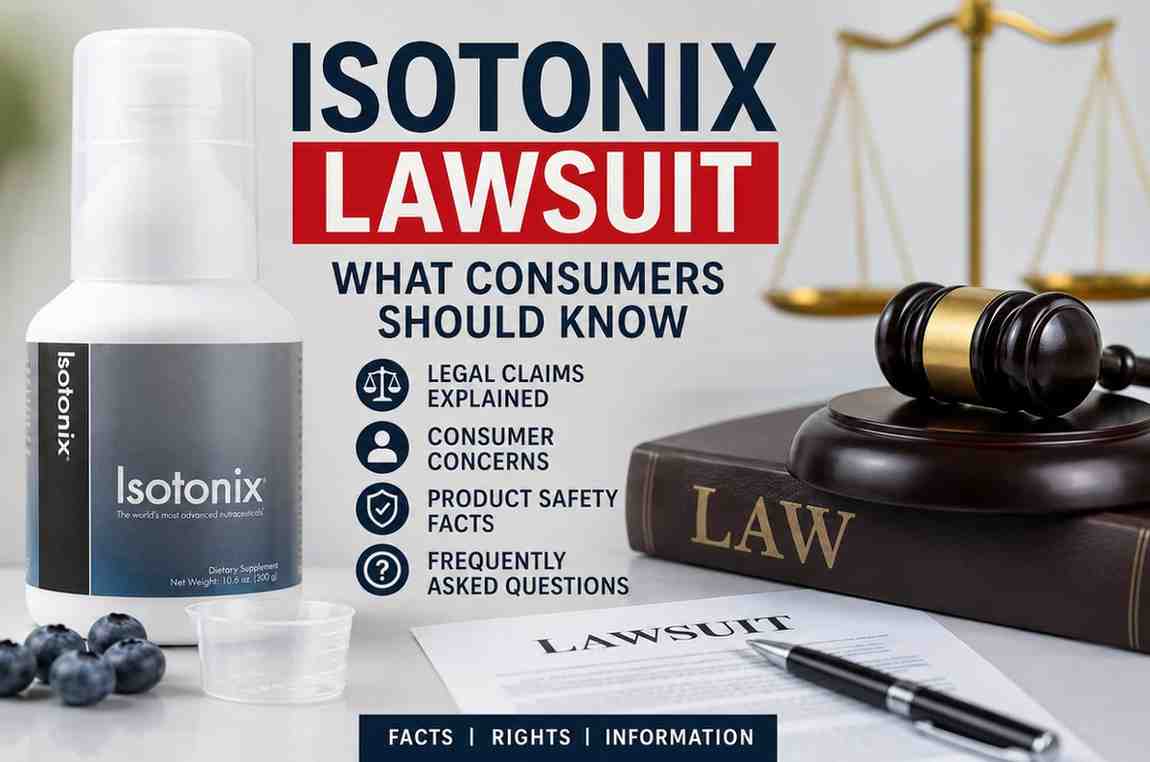
The Isotonix lawsuit has attracted attention from consumers, distributors, and people researching dietary supplements. Questions about legal claims, product safety, company practices, and consumer rights continue to appear online. If you are searching for reliable information, it is important to separate verified facts from rumors and understand what a lawsuit actually means.
Isotonix is a line of nutritional supplements marketed as isotonic-capable products designed to support nutrient absorption. Like many supplement brands, Isotonix has been the subject of discussions regarding marketing practices, product claims, and legal matters. However, the existence of a lawsuit does not automatically mean that a company or product has been found liable or unsafe.
This guide explains the Isotonix lawsuit, common legal allegations, how supplement lawsuits typically work, consumer rights, product safety considerations, and what buyers should know before purchasing any dietary supplement.
What Is the Isotonix Lawsuit?
The term Isotonix lawsuit generally refers to legal claims, consumer concerns, or reported disputes involving the Isotonix supplement brand or its parent company’s business practices.
Online searches often combine multiple topics under the phrase, including:
- Consumer complaints
- Product advertising claims
- Supplement labeling
- Business practices
- Distributor disputes
- Regulatory compliance
- Product safety discussions
Many people searching for an Isotonix lawsuit simply want to know whether there are any verified court cases affecting the products they use.
Understanding Dietary Supplement Lawsuits
Dietary supplement lawsuits are relatively common within the health and wellness industry. These cases may involve issues such as:
- False advertising allegations
- Misleading health claims
- Product labeling disputes
- Ingredient disclosure
- Manufacturing standards
- Consumer protection laws
- Business competition claims
Not every lawsuit involves product safety. Some focus entirely on advertising language, trademark issues, or commercial disputes between businesses.
Why Consumers Search for the Isotonix Lawsuit
Interest in the Isotonix lawsuit continues because consumers want reassurance before purchasing supplements.
Common questions include:
- Is Isotonix safe?
- Has the company been sued?
- Were consumers harmed?
- Were any products recalled?
- Are the health claims supported?
- What do regulatory agencies say?
These questions demonstrate why consumers increasingly research supplement brands before making purchasing decisions.
How Supplement Products Are Regulated
In many countries, dietary supplements are regulated differently from prescription medicines.
Manufacturers are generally responsible for ensuring:
- Product quality
- Ingredient accuracy
- Manufacturing compliance
- Proper labeling
- Safe production processes
Regulatory agencies may investigate products if complaints arise or if marketing claims appear misleading.
Consumers should understand that supplements are generally not approved in the same manner as prescription medications before entering the market.
Common Allegations in Supplement Litigation
Although every legal case is unique, supplement lawsuits often involve allegations relating to:
Advertising Claims
Companies may face scrutiny if marketing materials imply medical benefits that have not been adequately supported.
Product Labeling
Labels should accurately identify ingredients, serving sizes, and nutritional information.
Scientific Evidence
Some lawsuits question whether scientific research adequately supports specific health claims.
Consumer Expectations
Marketing language should not create unrealistic expectations about treatment, prevention, or cures.
What Consumers Should Verify Before Buying Supplements
Whether researching the Isotonix lawsuit or any supplement brand, consumers should evaluate several important factors.
Read the Ingredient List
Understand exactly what the product contains.
Review Serving Instructions
Follow manufacturer recommendations carefully.
Check Third Party Testing
Independent quality testing can provide additional confidence.
Consult Healthcare Professionals
People with medical conditions or those taking medications should speak with qualified healthcare providers before using supplements.
Research Company Transparency
Look for clear manufacturing information, customer service policies, and publicly available product details.
Are All Lawsuits Proof of Wrongdoing?
No.
One of the biggest misconceptions surrounding the Isotonix lawsuit is that filing a lawsuit automatically proves misconduct.
In reality:
- Allegations must be evaluated.
- Evidence is reviewed.
- Courts determine legal outcomes.
- Some cases are dismissed.
- Others settle without admission of liability.
- Some proceed to trial.
Consumers should avoid drawing conclusions based solely on headlines or social media posts.
Product Safety and Consumer Responsibility
Regardless of brand, supplement users should:
- Purchase from trusted retailers.
- Avoid counterfeit products.
- Follow dosage recommendations.
- Store products properly.
- Monitor for adverse reactions.
- Report serious side effects to appropriate authorities.
These practices reduce risk and promote informed supplement use.
How to Evaluate Health Claims
Marketing claims can sometimes sound convincing, but consumers should ask:
- Is there published scientific evidence?
- Are claims realistic?
- Are benefits clearly explained?
- Does the product promise unrealistic results?
- Are medical conditions being discussed appropriately?
Critical thinking is essential when evaluating any supplement.
Consumer Rights
Consumers generally have rights relating to:
- Accurate labeling
- Honest advertising
- Product safety
- Refund policies
- Consumer protection laws
If someone believes they have been harmed by a product, they should retain purchase records, document their experience, and seek appropriate legal or medical advice where necessary.
Frequently Asked Questions
What is the Isotonix lawsuit about?
The phrase Isotonix lawsuit may refer to reported legal disputes, consumer claims, or discussions regarding advertising, labeling, or business practices involving the Isotonix brand. The specific details depend on the individual case.
Does a lawsuit mean Isotonix products are unsafe?
No. A lawsuit alone does not establish that a product is unsafe or that any legal allegations have been proven.
Should consumers stop using Isotonix products?
Individuals should make healthcare decisions based on advice from qualified medical professionals, product labeling, and their personal health needs rather than online rumors.
How can consumers verify supplement information?
Consumers should review official product labels, consult healthcare providers, examine available scientific evidence, and rely on credible sources when researching supplements.
What should I do if I experience side effects?
Stop using the product and contact a healthcare professional. Report serious adverse events to the appropriate health authority in your country if necessary.
Final Thoughts
The Isotonix lawsuit remains a topic of interest because consumers increasingly want transparency regarding supplement products and company practices. While legal disputes can raise important questions, they should always be evaluated carefully and in context. Lawsuits involve allegations that require evidence and legal review, and not every filing results in findings of wrongdoing.
For anyone considering Isotonix or another dietary supplement, the most responsible approach is to review ingredient information, understand the intended use of the product, consult healthcare professionals when appropriate, and rely on credible information rather than speculation. Making informed decisions based on evidence helps consumers choose supplements that align with their individual health needs while understanding both the potential benefits and limitations of dietary products.










Leave a Reply