

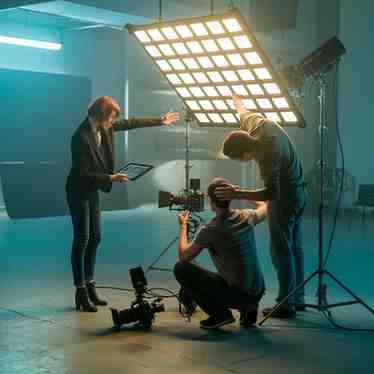
Cinematography direction is the discipline that transforms ideas into visual experiences through camera placement, lighting design, movement, composition, colour strategy, and narrative pacing. In modern event production, brand storytelling, commercial campaigns, and live experiences, cinematography direction serves as the bridge between creative vision and audience engagement.
For organisations, brands, event planners, and production companies operating in London and across the United Kingdom, has become an essential component of professional visual communication. Whether documenting a corporate conference, filming a luxury wedding, producing promotional content, or creating event highlight reels, every visual decision contributes to the final story.
Understanding Cinematography Direction
Cinematography direction combines artistic judgement with technical expertise. The role extends beyond operating cameras and includes visual planning, shot development, lighting management, framing techniques, location assessment, and post production coordination.
Professional focuses on:
- Visual storytelling strategy
- Camera movement planning
- Lighting and shadow control
- Lens selection
- Scene composition
- Colour consistency
- Audience engagement
- Narrative continuity
- Production workflow management
- Creative collaboration
A successful cinematography director ensures that every frame supports the intended message while maintaining technical quality throughout the production process.
Why Cinematography Direction Matters for Events
Events generate moments that cannot be recreated. Effective captures these moments with clarity and purpose.
For conferences, exhibitions, awards ceremonies, product launches, and corporate gatherings, helps deliver:
- Professional event documentation
- Promotional video assets
- Social media content creation
- Brand storytelling opportunities
- Sponsor visibility
- Audience engagement materials
- Future marketing resources
Event focused visual productions often require detailed planning to ensure important moments are captured without disrupting the attendee experience.
The Core Elements of Cinematography Direction
Visual Storytelling
Every project begins with a story. Cinematography direction identifies the narrative objectives and translates them into visual sequences.
Key considerations include:
- Target audience
- Brand identity
- Event purpose
- Emotional tone
- Message hierarchy
- Distribution channels
Lighting Design
Lighting influences mood, focus, and production quality.
Professional cinematography direction incorporates:
- Natural light management
- LED lighting systems
- Ambient lighting integration
- Stage lighting coordination
- Colour temperature control
- Exposure balancing
Camera Movement
Movement creates energy and guides the viewer’s attention.
Common approaches include:
- Tracking shots
- Gimbal movements
- Static compositions
- Crane perspectives
- Handheld documentary coverage
- Drone cinematography
Composition and Framing
Strong compositions improve audience retention and visual clarity.
Important techniques include:
- Rule of thirds
- Leading lines
- Depth creation
- Symmetry
- Foreground framing
- Negative space utilisation
Cinematography Direction for Corporate Productions
Corporate productions require a balance between professionalism and authenticity.
Typical applications include:
- Company profile films
- Executive interviews
- Training videos
- Recruitment campaigns
- Product demonstrations
- Investor presentations
- Brand documentaries
Professional ensures visual consistency while maintaining credibility and audience trust.
Cinematography Direction for Luxury Events
Luxury events demand elevated production standards.
High end event often includes:
- Multi camera coverage
- Cinematic colour grading
- Slow motion sequences
- Dynamic lighting integration
- Premium audio capture
- Drone footage was permitted
- Highlight film creation
Luxury weddings, gala dinners, charity events, and exclusive celebrations particularly benefit from a structured cinematography approach.
London as a Cinematography Destination
London remains one of the world’s most dynamic filming locations.
Popular filming and event areas include:
- London South Bank
- Tower Bridge surroundings
- Canary Wharf business district
- Royal Albert Hall event spaces
- ExCeL London exhibition venues
- The O2 entertainment complex
During Summer 2026, visitors attending productions or events can combine filming schedules with visits to museums, theatre districts, riverside attractions, and cultural landmarks across the capital.
Planning a Successful Cinematography Project
Professional cinematography direction follows a structured process.
Pre Production
- Creative consultation
- Story development
- Shot listing
- Location scouting
- Equipment planning
- Scheduling
- Risk assessments
Production
- Camera setup
- Lighting deployment
- Scene execution
- Talent direction
- Live monitoring
- Quality control
Post Production
- Editing
- Colour grading
- Sound design
- Motion graphics
- Asset optimisation
- Multi-platform delivery
This workflow reduces production delays while improving creative outcomes.
Technology Supporting Modern Cinematography Direction
Current productions frequently utilise:
- Cinema cameras
- 4K and 8K recording systems
- Professional cine lenses
- Wireless monitoring
- LED lighting solutions
- Stabilisation systems
- FPV drones
- Colour-managed workflows
The combination of technical tools and creative direction enables productions to maintain quality across digital platforms, live displays, websites, and social media channels.
FAQs
What is cinematography direction?
It is the process of managing visual storytelling through camera work, lighting, composition, movement, and production planning.
What is the difference between cinematography and videography?
Videography generally focuses on recording events or content, while emphasises artistic storytelling, visual design, and narrative impact.
Why is cinematography direction important for events?
It ensures significant moments are captured professionally while creating engaging visual content for marketing, promotion, and documentation.
What skills are required for cinematography direction?
Creative vision, lighting expertise, camera knowledge, communication skills, composition techniques, storytelling ability, and production management experience.
Can cinematography direction improve brand marketing?
Yes. Strong visual storytelling helps businesses communicate values, build recognition, and create memorable audience experiences.
The Future of Cinematography Direction
As audiences increasingly consume video content across websites, streaming platforms, and social media channels, the demand for professional continues to grow.
Organisations investing in visual storytelling benefit from stronger audience engagement, improved communication, and more effective content distribution. Through thoughtful planning, technical precision, and creative execution, remains one of the most valuable disciplines in modern content production.
Cinematography direction is no longer reserved for film studios. It has become an essential service for events, brands, businesses, venues, cultural organisations, and creative productions seeking meaningful visual impact.










Leave a Reply